When I started ordering custom apparel for my team a few years back, I assumed screen printing was the only real option. It was fast, the colors popped, and the price was right. But after the first round of laundry, some of those prints started to crack and peel. I learned the hard way that not every decorating method works for every garment or every use case. That is when I started looking seriously at embroidered polos.
Polos occupy a sweet spot in professional wardrobes. They are less formal than a button-down shirt but more put-together than a t-shirt. That balance makes them a go-to for trade shows, client meetings, and daily office wear. Adding embroidery to that mix elevates the look even further. It signals durability and attention to detail. The thread sits on the fabric instead of soaking into it, which means the logo stays crisp wash after wash.
Embroidery versus Screen Printing
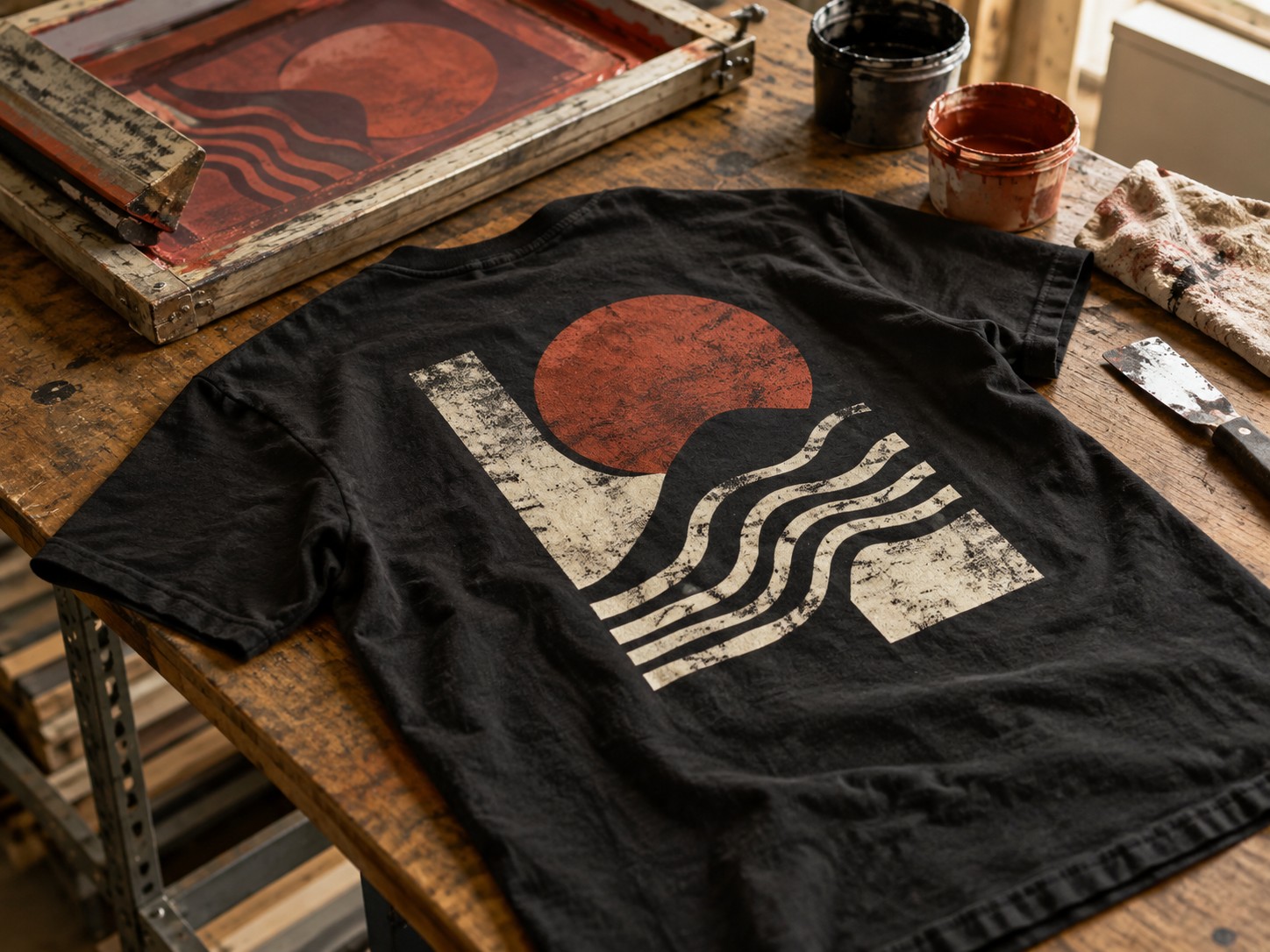
The standard debate in custom apparel is embroidery versus screen printing. Each method has its place, and I have used both extensively. Screen printing works best for large designs with solid blocks of color. It is cost-effective for big runs and gives you vibrant, soft-feeling ink on lightweight fabrics. But it does have limits. Fine details can blur. Colors sometimes shift after a few washes. And on darker garments, you need an underbase layer that adds thickness and can make the shirt feel stiff.
Embroidery handles those weak points differently. With thread, you get texture and depth. Logos with small text or intricate outlines hold up because the needle follows the path precisely. There is no ink to crack or fade. The downside is that embroidery adds weight and can feel heavy on very thin polos. It also works best with designs that fit within a typical hoop size. Huge chest-spanning graphics are not ideal. But for a neat left-chest logo or a small back-neck mark, it is hard to beat.
Fabric and Stitch Count Matter
Not every polo is a good candidate for embroidery. I have seen people try to put a dense logo on a cheap, lightweight knit, and the result was puckered fabric and distorted stitches. The polo needs to have enough structure to support the thread. A pique weave or a performance knit with some body works well. Cotton pique is the classic choice. It breathes, it holds its shape, and the texture of the weave gives embroidery a nice backdrop. For active teams, a moisture-wicking polyester polo can also work, but you want a higher thread count so the needle does not leave permanent holes.
Stitch count is another factor that people often overlook. A well-executed logo uses enough stitches to cover the area without overpacking. Too few stitches leaves gaps that look cheap. Too many stitches makes the patch stiff and can cause the fabric to pucker. A good digitizer adjusts the stitch density based on the fabric type. For example, a dense twill cap can handle a high stitch count, but a thin polo needs a lighter touch. I always ask my decorator for a stitch count estimate before approving the final file. That simple step has saved me from a few regretful orders.
Practical Considerations for Small Businesses
If you run a small company or a nonprofit, every dollar counts. Embroidered polos cost more per piece than screen printed shirts, but the longevity often offsets that. A screen printed t-shirt might start to show wear after 20 washes. An embroidered polo can easily last 50 washes if the garment quality is decent. Over a year of weekly wear, the cost per use becomes about the same. The bigger question is how the shirt will be used. If your team wears them indoors for client-facing roles, embroidery projects a more polished image. If they are working outdoors in the heat, a lightweight printed tee might be more comfortable.
I have also found that embroidered polos work well for uniforms that need to coordinate with other items. A consistent left-chest logo across polos, jackets, and hats creates a cohesive look. Screen printing on hats is tricky because of the curved surface, but embroidery handles it easily. That consistency builds brand recognition. When your team walks into a room, people register the logo without staring.
Design Tips for a Clean Embroidered Look
Designing for embroidery requires a different mindset than designing for print. Here are a few guidelines I have picked up:
- Keep the design simple. Intricate gradients and tiny text do not translate well into thread. Stick to solid colors and clear shapes.
- Limit the number of thread colors. Each color adds setup time and cost. Three or four colors is plenty for most logos.
- Make sure the logo fits within a standard hoop size. For a left-chest placement, that is roughly 4 inches wide by 3 inches tall. Anything larger may require a special hoop or a different placement.
- Choose a contrasting thread color. A dark logo on a dark polo disappears. Light thread on a dark fabric pops. Test the combination on a sample before committing.
One mistake I see often is putting a huge logo on the back of a polo. Back placements can work, but they take more time to hoop and can be uncomfortable for the wearer if the stitching is heavy. A small back-neck logo or a left-chest logo is usually enough.
Care and Longevity
Even the best embroidery will fail if the garment is not cared for properly. I tell my team to wash polos inside out on cold and hang them to dry. The dryer heat can break down the thread over time and shrink the fabric unevenly. If you must use a dryer, use low heat and remove the shirts while they are still slightly damp. Ironing over embroidery is fine as long as you use a pressing cloth. Direct heat can melt polyester thread or flatten the stitches.
Another tip is to avoid bleach on embroidered polos. Bleach attacks the thread color and can weaken the fabric around the stitches. If you need to remove a stain, treat it gently with a stain remover and wash promptly. With reasonable care, an embroidered polo will look presentable for years. I have shirts in my closet that are five years old and still get compliments.
When to Choose Embroidery
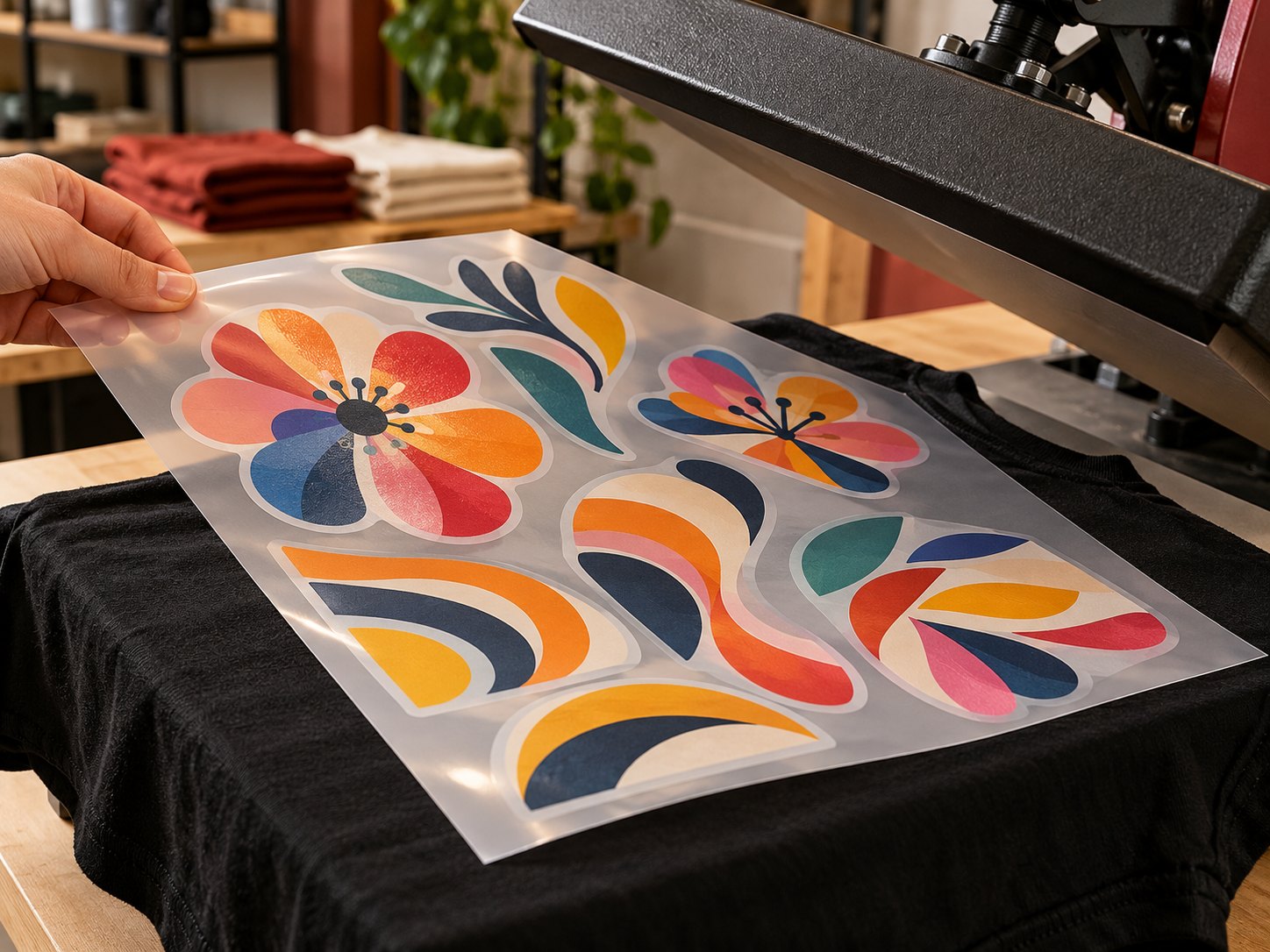
Embroidery is not always the right answer. For a one-time event or a giveaway where cost matters most, screen printing or even heat transfer might be better. But for uniforms that represent your brand day in and day out, embroidery pays for itself. It adds a tactile element that screen printing cannot match. People notice the difference. They run their fingers over the logo and they see the thread catching the light. That subtle impression sticks with them.
I have also used embroidered polos as part of a layered uniform system. In cooler weather, team members wear the polo under a jacket that has the same logo. The thread matches because it is the same digitized file. That consistency reinforces the brand identity across seasons. It is a small detail that makes the whole uniform feel intentional.
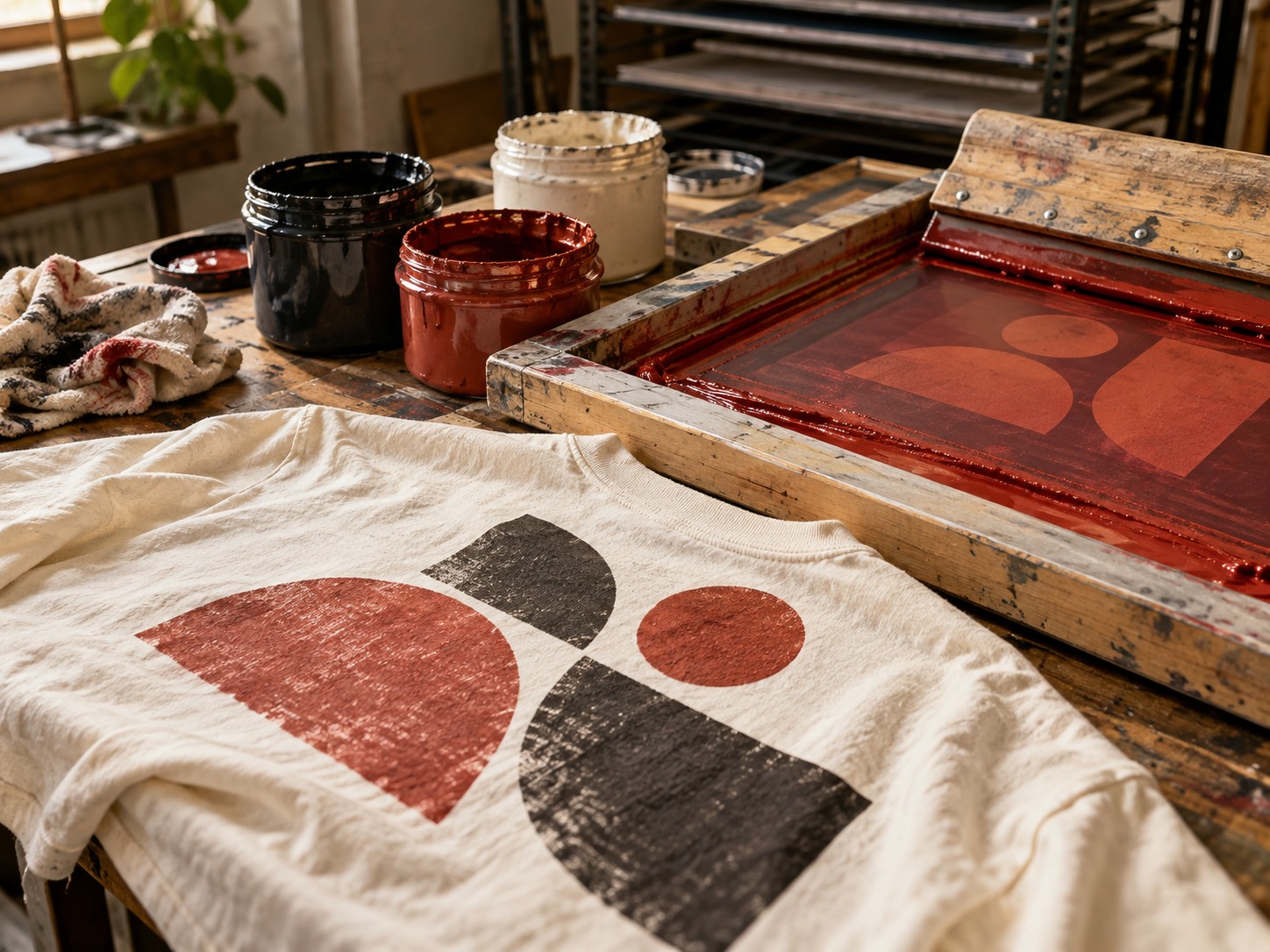
For businesses in Garden Grove and surrounding areas, finding a reliable decorator who understands both embroidery and screen printing is key. You want someone who can advise on fabric, thread, and placement based on your specific needs. DSP Printing, located at 11611 Salinaz Dr Ste O, Garden Grove, CA 92843, USA, offers custom screen printing and embroidered apparel services for businesses and organizations. You can reach them at +1 714-951-4919 for guidance on your next order. A good partner will walk you through the options and help you avoid the common pitfalls I mentioned here.
Connect with us on Instagram.
At the end of the day, the choice between embroidery and screen printing comes down to how you plan to use the garment and what impression you want to leave. Embroidered polos give you a classic, durable look that ages well. They are not the cheapest option, but they are often the smartest one for building a lasting brand presence.